N70,000 Minimum Wage No Longer Enough, NLC Insists As Strike Ultimatum Stands
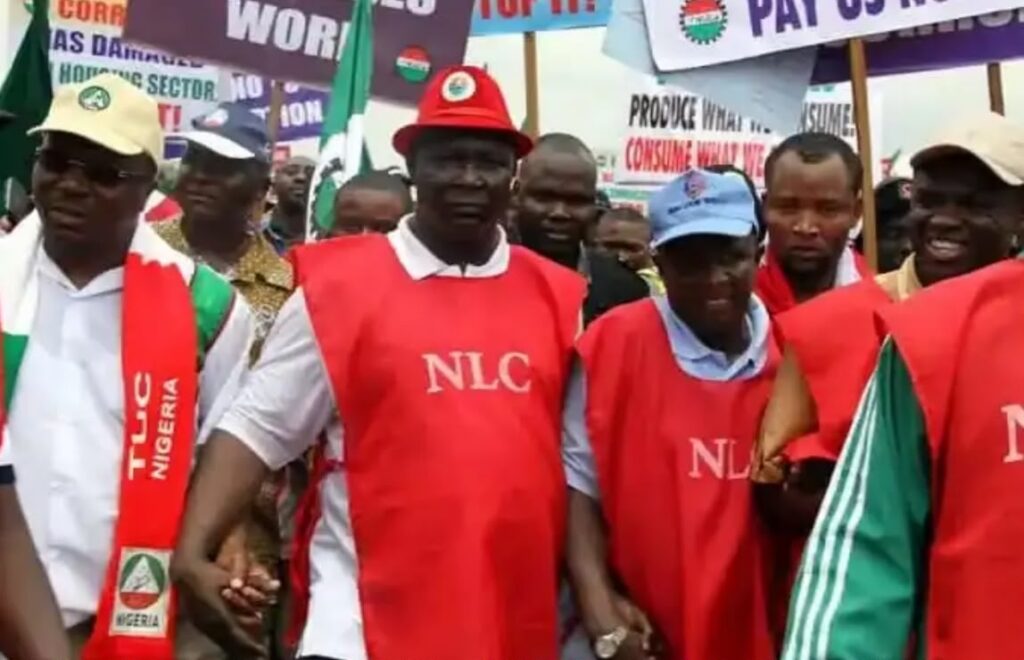
The Nigeria Labour Congress, NLC, says Nigerian workers remain under severe economic pressure despite the N70,000 minimum wage, insisting its two-week ultimatum to the Federal Government over petrol price hike and fresh wage talks still stands.
NLC President, Joe Ajaero, stated this on Monday in Abuja while criticising the implementation of the 2024 minimum wage agreement and calling for urgent measures to address rising cost of living.
Ajaero’s remarks come amid growing tension between organised labour and the Federal Government over declining purchasing power and demands for petrol price relief.
While maintaining that the ultimatum remains, Ajaero urged government to address workers’ hardship proactively rather than wait for strikes.
Secretary to the Government of the Federation, George Akume, however, called for balance between workers’ demands and government’s fiscal capacity, warning against avoidable industrial disputes.
Ajaero said government must address workers’ declining purchasing power before labour is forced to act.
“I’ve not come here to discuss my ultimatum. My ultimatum stands. I’ve said something about it, and this is not a table. The fact that the permanent secretary is here does not give us the opportunity to start negotiating an ultimatum. He has replied a letter, and we have replied him again. So, we will go into that game.
“But to the head of service, sir, Nigerian workers are really suffering. And if you do something, history and posterity will remember all of us for it,” he said.
The NLC had issued the ultimatum demanding reduction in petrol price and commencement of fresh minimum wage negotiations, arguing that current economic realities have eroded workers’ earnings.
Ajaero said the N70,000 wage agreed in 2024 can no longer meet basic household needs, as workers struggle to afford food and transportation.
“The point we are making is not strike. The point we are making is that whether you enter bus or you buy fuel, you will not be able to eat,” he said.
He noted that other countries introduce measures to cushion workers before disputes escalate, urging the Federal Government to be more proactive.
“But to wait for Labour to be on the street before we address this is not really what is happening all over the world. Countries all over the world will come with interventionary measures even before Labour acts on it. I think we should be more proactive,” Ajaero stated.
He also faulted claims that federal workers received about 133 per cent salary increase after the 2024 negotiations, describing the adjustments as inadequate.